The hijack of MSC Aries in the Straits of Hormuz: perspectives from international maritime law
By Albors Galiano Portales: Jorge Llovo, lawyer and Jaime de Pablos, lawyer
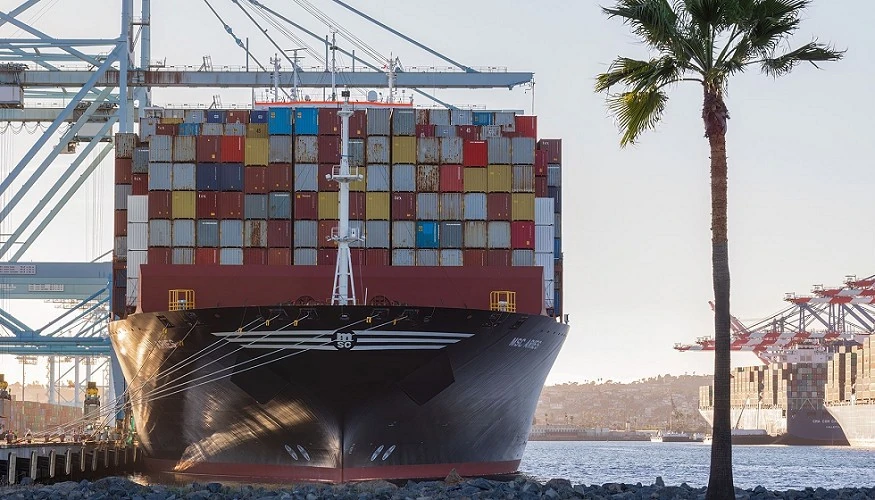
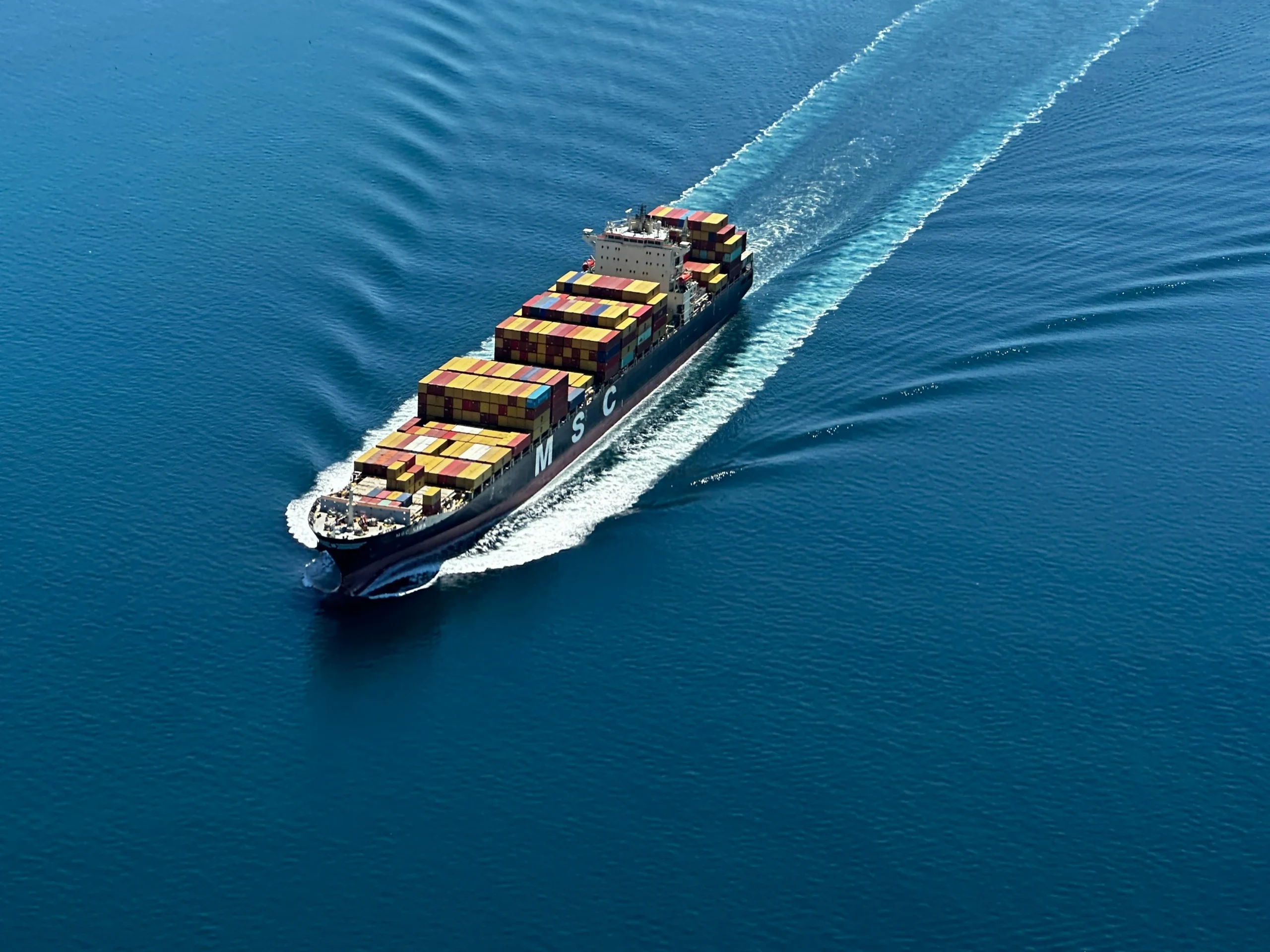
On 13th April 2024, Iran’s Revolutionary Guard attacked and took control of the container ship MSC Aries while it crossed the Strait of Hormuz, forcing it to divert to Iranian waters. The MSC Aries is a container ship under Portuguese flag, chartered at the time by the shipping company MSC and owned by the Swiss entity GortalShipping Inc., whose actual owner is a well-known Israeli businessman.
The assault and seizure of merchant ships in the region of the Strait of Hormuz is a cause of worry among the international community, especially as this is not an isolated incident. There are precedents, such as the seizure of the British-flagged vessel Stena Impero in July 2019 and the Marshall Islands-flagged vessel St. Nikolas in January 2024. The MSC Aries incident in particular was widely condemned at the 111th session of the IMO Legal Committee, held from 22nd to 26th April 2024.
The main legal instrument in this area, which is widely accepted internationally, is the 1982 United Nations Convention on the Law of the Sea (UNCLOS). At the time of writing, UNCLOS has 169 signatory states, including Iran, though it has not ratified it and is therefore not bound by it as a state.
However, in accordance with the Vienna Convention on the Law of Treaties, the mere signing of UNCLOS obliges Iran to respect its principles and purposes. Furthermore, it should be noted that Iran is a member of the 1958 Geneva Conventions on the Law of the Sea, the predecessor to UNCLOS, which coincides with it in aspects such as the right of innocent passage.
One of the key new features of UNCLOS is its treatment of so-called ‘straits used for international navigation’, understood as those states whose waters form part of the territorial sea of one or more coastal States, as is the case with the Strait of Hormuz, a narrow maritime passage which overlaps with the territorial waters of Iran and Oman.
UNCLOS reserves special legal treatment for these straits to limit the exercise of sovereignty, sovereign rights or jurisdiction of coastal states in these areas. To this end, UNCLOS regulates what is known as transit passage, a broader concept than the right of innocent passage applicable to territorial waters. The purpose of this is to guarantee the navigation of ships through straits and to prevent coastal states from blocking or hindering passage through geopolitically important waters.
Elements of the international press have called the Revolutionary Guard’s conduct an act of piracy. However, it is true that, strictly speaking under UNCLOS, an act of piracy can only be committed for private purposes, which does not seem to be the case with the MSC Aries. It seems clear that Iran’s decision was driven by geopolitical motivations, not private interests.
The ramifications of this incident are still uncertain, though it seems clear that it will unleash greater uncertainty from the perspective of international trade, instability in the region, complications in supply chains and even congestion in nearby ports. Approximately one fifth of the world’s oil and gas passes through the Strait of Hormuz, which justifies the international community’s concern about incidents such as this one and Tehran’s perennial threat to close the passage.
Finally, beyond legal considerations, it is undoubtedly the innocent sailors aboard the MSC Aries who are most directly suffering the consequences of this incident. As stated in the letter sent by sixteen of the principal maritime transport associations to the Secretary General of the UN, António Guterres, ‘seafarers and the maritime sector are neutral and should not be politicised’, as they have no role or power to resolve the escalating conflicts.
The facts
The assault and seizure of merchant ships in the Strait of Hormuz is a cause for concern among the international community, especially considering that this is not an isolated incident. There are precedents such as the seizure of the British-flagged vessel “Stena Impero” in July 2019 and the Marshall Islands-flagged vessel “St. Nikolas” in January 2024. The MSC Aries incident in particular was widely condemned at the 111th session of the IMO Legal Committee, held from 22 to 26 April 2024.